William C. Head, P.C.
Atlanta DUI Law Firm




A breathalyzer reading reports how much alcohol is in a breath sample. The machine measures grams of alcohol per 210 liters of breath and displays a BAC-equivalent decimal such as 0.08. The levels of breathalyzer test results run from 0.000 upward in thousandths. Georgia's per se DUI thresholds are keyed to that single number. See our related guide: What Is Considered Heavy Drinking for EtG Test Results in Georgia?.
When a driver in Georgia gets pulled over or stopped at a DUI checkpoint, an officer may ask for a breath sample on a handheld screening device. That roadside test is optional and voluntary, and a driver can decline it without any penalty or license consequence. If an arrest follows the field sobriety tests, the officer reads an advisement off a bright green card. That Georgia implied consent notice warns that refusing the post-arrest forensic test can suspend a license for a full year.
The number itself drives the charge. Georgia law criminalizes driving with a BAC of 0.08 percent or higher for adults, 0.02 percent for drivers under 21, and 0.04 percent for commercial license holders in a commercial vehicle. Different drivers face different limits under the same chemical testing rules. A per se alcohol charge can follow even when drinking has not visibly affected the driving, because Georgia's legal alcohol limit is measured rather than judged. Prosecutors often file both DUI less safe and per se counts from one stop and compare the reading against the legal limit in Georgia.
The question people type into a search box is how to get rid of alcohol breath. For a DUI case, that is the wrong question. What matters is how long alcohol stays in the bloodstream, not how long the smell lasts. Breath can still carry an alcohol odor the morning after the last drink has already left the body.
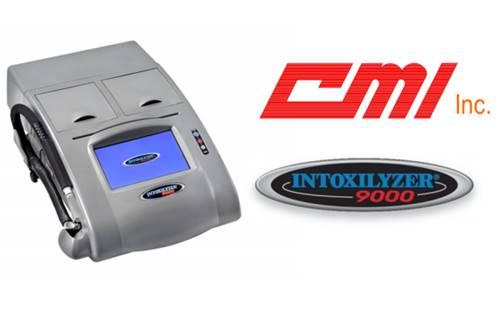
Body size, build, and digestion all move the number, so any estimate is fact-specific. Take two drinkers who ate nothing beforehand and split five 12-ounce beers over two hours, sip for sip. A 12-ounce regular beer counts as one standard drink. Both are arrested and both blow into the Intoxilyzer 9000 at the station four hours later. One is a 100-pound woman five feet tall. The other is a heavily muscled 200-pound man at six foot two.
Run the Widmark formula and give each of them the same burn-off rate of 0.015 grams percent per hour. Over four hours, each eliminates about 0.060 grams percent. The woman's alcohol breath test levels would still land near 0.170, more than double Georgia's 0.08 limit. The man would read about 0.030 and be legally sober. Variation between drinkers really is that wide. [SOURCE: NHTSA BAC alcohol breath test chart posted by the national DUI lawyer directory TeamDUI.com.]
How reliable are Georgia's breath testers? Less than most people assume. A post-arrest breath tester is not always accurate. These devices need periodic calibration checks, and those checks are sometimes botched. Device malfunctions and error messages can also push a reading higher than the truth. Rather than leave the outcome to a machine, talk to a DUI attorney in Atlanta who has handled Georgia breath test cases.
Elimination is steadier than absorption. Published burn-off figures generally fall between about 0.010 and 0.020 grams percent per hour, with 0.015 used as a working average.
Timing matters for a second reason. The station test typically happens 45 to 90 minutes after the driving stopped. If the last drinks were still absorbing at the wheel, the BAC may have been rising, and the later reading can sit above the driving-time level. The machine reports a value at the moment of the test, not at the moment of driving.

A breath number is evidence, not a verdict. Georgia's breath alcohol testing program sets rules for maintaining and operating the state instrument, and the records behind a reading are discoverable.
Maintenance and calibration. The instrument must be inspected and certified on a schedule. Missing, late, or failed records may undercut confidence in a result.
Operator certification and observation. The operator generally must hold a current permit. Practice also calls for an observation period, commonly 20 minutes, during which the subject should not burp, vomit, or put anything in the mouth.
Mouth alcohol and interference. Residual alcohol from a recent drink, breath spray, or dental work can linger in the mouth and inflate a reading. Radio frequency interference is another recognized error source.
Breathing pattern and sample volume. Deep lung air reads higher than a shallow sample, so coaching a subject to blow harder may push the number up.
Medical conditions. Acid reflux, GERD, and uncontrolled diabetes can each affect a breath result, depending on the circumstances.
Officer training cuts both ways. Officers trained in drug recognition protocols and evaluations such as the modified Romberg test are examined against their own manuals, as are lawyers who have written Georgia DUI law materials.
Whether any applies turns on the records in a specific case, which an attorney should review first. Published Georgia trial reports, including DUI case results, a not guilty verdict after a test refusal, and a DUI checkpoint case, show that these issues get litigated. Past results do not guarantee a similar outcome.


The display shows a three-decimal figure such as 0.043 or 0.112. That figure estimates the driver's blood alcohol level from a breath sample. It is not a direct measurement of blood.
The breathalyzer test numbers a driver sees sort into rough bands. A 0.02 is a trace reading that still exceeds the limit for a driver under 21. A 0.08 sits at the adult per se threshold. A 0.15 is roughly twice that threshold. Above 0.15, Georgia law bars a judge from accepting a nolo contendere plea at all.
Georgia's state-approved Intoxilyzer device follows a protocol that generally requires two sequential samples, and the result is rounded under that protocol rather than shown to unlimited precision.
Read breathalyzer numbers as estimates, not certainties. Every instrument carries a margin of error, and a result a few thousandths above a threshold is not proof of impairment. A reading near a legal limit may still be litigated.

Unit confusion causes most of the misunderstanding here. Breath alcohol is reported in grams of alcohol per 210 liters of breath, written as g/210L. Blood alcohol is reported in grams per 100 milliliters of blood.
A conversion assumption called the partition ratio links the two. Breath instruments in the United States use 2100:1, meaning 2,100 milliliters of deep lung air is treated as holding the alcohol found in 1 milliliter of blood. Because of that convention, breathalyzer test units and blood units produce the same decimal.
Here is the catch. The 2100:1 ratio is a population average, not a personal constant. Real ratios vary between people and within one person over a day. Breathing pattern, breath temperature, and the phase of absorption can each move the calculated result.
That assumption sits at the technical core of most breath test challenges. To see how consumption translates into a predicted level, review a breath alcohol test chart, keeping in mind that calculator output is only an estimate.
Georgia sets per se limits by driver category under Georgia law. The breathalyzer test levels that matter depend on who was driving and what they drove.
Adults 21 and over. The per se limit is 0.08 grams percent. At or above that BAC level, the state may charge DUI per se on the reading itself.
Drivers under 21. The limit is 0.02 grams percent. A single drink can put a young driver over that line.
Commercial drivers. The limit is 0.04 grams percent in a commercial vehicle, and a commercial license carries its own disqualification consequences.
Falling below a threshold does not end the matter. Georgia also allows a DUI less safe charge, where the state alleges alcohol made the person less safe to drive regardless of the number. Prosecutors frequently pursue both counts from one stop, so a low reading may weaken the per se count while the less safe count survives.
A high reading carries administrative weight too. Georgia's license suspension process moves separately from the criminal case, on its own short deadline after arrest.

Many drivers remember two different numbers from the same night, because two different devices produced them.
The handheld device at the roadside is a screening tool. Its numeric result is generally not admissible to prove BAC in a Georgia DUI case, and it typically supports probable cause and nothing more. As noted above, that test is voluntary and refusable without a license penalty.
The state-administered test on the approved instrument at the station or jail is the one that counts. That result supports the per se charge, and its admissibility depends on the implied consent advisement, the operator's permit, and the instrument records.
So when comparing alcohol blow test levels, ask which machine produced each figure. A 0.10 on a roadside screener and a 0.07 at the station are not a contradiction to explain away. Only the second number generally carries evidentiary weight.
Breath test records do not stay available forever. Maintenance logs, calibration certificates, operator permits, and station video come through discovery, and the window for demanding them is time-sensitive. Georgia's administrative license process also runs on a short deadline separate from the criminal case.
Our Georgia DUI lawyers offer free case evaluations focused on your reading and the records behind it. Review published attorney ratings and ask about payment plans when you call 404-567-5515. Whether any challenge applies depends on the circumstances. We can review your options; we cannot promise a result.


The number estimates blood alcohol concentration (BAC) from a breath sample, shown to three decimals. A 0.08 means an estimated eight hundredths of a gram of alcohol per 100 milliliters of blood. Georgia compares that figure against the per se limit for the driver's category.
Breath instruments report grams of alcohol per 210 liters of breath, written g/210L. That unit converts to a blood-equivalent figure using a 2100:1 partition ratio. The ratio is a population average, so an individual result may differ from a true blood measurement.
For drivers 21 and over, 0.08 grams percent or higher is over the per se limit. The limit is 0.02 for drivers under 21 and 0.04 for commercial drivers in a commercial vehicle. A driver may also face a DUI less safe charge below those numbers.
Yes. A reading may be inaccurate because of mouth alcohol, an interrupted observation period, a lapsed operator permit, missed calibration, radio interference, or certain medical conditions. Whether any applies depends on the records in that case.
No. The handheld roadside device is a screening tool, and its number is generally not admissible in Georgia to prove BAC. It usually supports probable cause only. The station test on the approved instrument produces the reading used for a per se charge.