William C. Head, P.C.
Atlanta DUI Law Firm



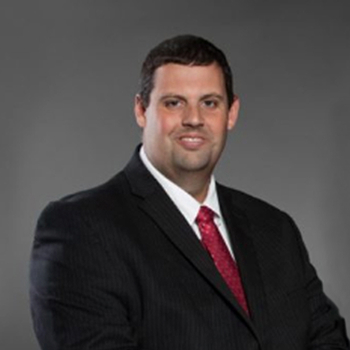
By: William C. "Bubba" Head, Criminal Defense Attorney and ABA Board-Certified DUI Attorney
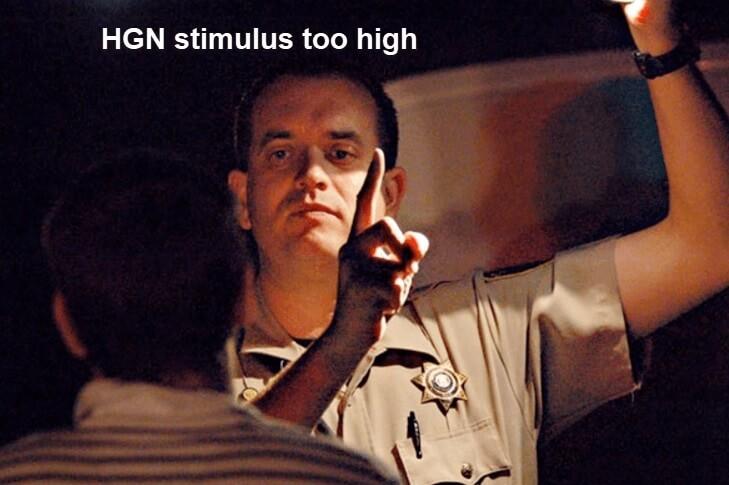
Expert witnesses are your evidence to the contrary. Most contested DUI cases need an expert witness. Sometimes this happens at a pretrial motion. For example, a lawyer might seek to exclude the horizontal gaze nystagmus test, also called the HGN eye test, from jury evidence. The same expert may speak to an improper field sobriety test at trial.
Most drunk driving cases involve a forensic test. These include breath alcohol tests, blood tests, or urine tests. Experts can challenge the testing method. They can also question lab accuracy, chain of custody, sample tainting, and medical conditions that produce false positives.
Medical studies at the University of Washington in Seattle looked at how the lungs work during a breath test. They traced how alcohol is picked up from wet tissue in the mouth and airway. That work helps experts explain why breath tests can be flawed.
An expert witness has special education, work experience, or advanced knowledge beyond what an average person has. The character played by Marisa Tomei in the movie "My Cousin Vinny" is a famous example. Her deep knowledge of car mechanics went far past what a typical person would know. The court accepted her as an expert witness.
An effective expert witness is someone the prosecutor cannot shake on cross-examination. When the State's lawyer attacks a well-credentialed expert, the prosecution's case may suffer. Jurors follow skilled forensic science experts well. A good expert is a good teacher who puts hard ideas in plain words.
A DUI defense lawyer's expert list may take in:
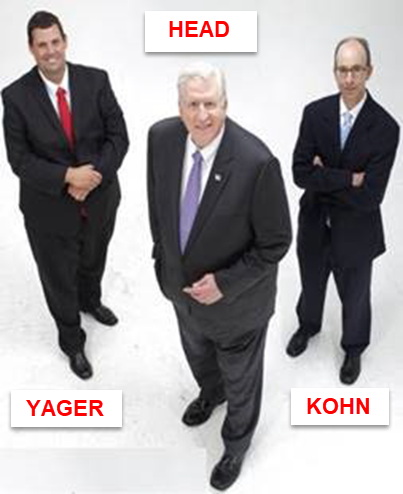
No matter how seasoned a DUI lawyer may be, the lawyer cannot testify at trial. A DUI lawyer defending a client at trial often will need an expert witness. Often two or more experts are needed. The State will present its case to the jury or judge. Without a defense response, that evidence usually gives the victory to the prosecution.
After the State rests, the burden shifts to the defense. The defense must neutralize or disprove what the State's witnesses offered. Your experts bring in evidence to the contrary. This provides the jury with reasonable doubt.
An alcohol expert witness explains the science of alcohol and its effects on the human body. These experts – often lab experts or drug experts with advanced degrees – help juries understand blood alcohol levels. They speak to whether the accused driver was actually impaired at the time of driving.
Alcohol expert witnesses may speak to several critical topics in a Georgia DUI case:
When evaluating an alcohol expert witness, defense lawyers look for a Ph.D. in pharmacology or toxicology. They also seek experience as a former state crime lab chemist. Published work in forensic science journals and a track record of court-accepted testimony strengthens an expert's standing. Depending on the facts of the case, an alcohol expert witness may be the single most important defense resource at trial.
Expert witness fees are paid by each client beyond the cost of a DUI lawyer. Well-credentialed DUI experts are in heavy demand among drunk driving defense lawyers. Their services, travel costs, and accommodation costs do not come cheap. The expense is easiest to justify when the stakes are highest, as they are on a second DUI in Georgia, where a conviction carries steeper consequences than a first offense.
In cases with a blood alcohol level over the legal limit, very few trial victories occur without a DUI defense expert. The expert must refute the police officer's procedures. They must also attack the breath machine service records and accuracy. Most people who have seen television reality shows involving field sobriety tests believe what they see is real science. It is not. An expert is needed to show how flawed the field tests really are.
If your DUI case involves a breath or blood test, an expert is critical. That expert must testify to the test's flaws. They must point to any flaws in your test results. This fee should be part of the DUI cost a seasoned criminal defense lawyer quotes you.
You can hire a seasoned DUI lawyer. But without an expert witness or two, the defense case will not go far. By analogy, you can buy the latest, fully loaded Rolls-Royce. But without gasoline, the vehicle will not go far.
Expert witness fees vary with the type of expert and how hard the case is. Breath-test machine experts often charge between one hundred fifty and four hundred dollars per hour. This covers case review, document analysis, and report preparation. Trial testimony often runs two thousand to five thousand dollars per day. The exact amount depends on the expert's training and travel needs. Forensic toxicologists who review blood test results may charge similar hourly rates. Total case costs often range from three thousand to eight thousand dollars when testimony is required.
Travel and lodging costs add to the total. An out-of-state expert who must fly to Georgia for trial may bill airfare, hotel, and per diem on top of professional fees.
Some DUI cases need only one expert. For example, a breath-test case where the sole disputed evidence is the reading. Other cases need two or more experts. A DUI from a car accident could involve a blood draw and field sobriety tests. A lab expert can review blood results. A separate field sobriety expert can challenge the officer's roadside testing. Charges that reach the felony level usually involve more than one kind of disputed evidence, and our guide to when a DUI is a felony in Georgia explains which circumstances raise the charge.
During your first meeting with a DUI defense lawyer, ask for an estimate of likely expert witness costs. Many seasoned lawyers can provide a realistic range based on your case facts. Many also offer attorney payment plans that cover both legal fees and expert costs.
After being arrested for DUI in Georgia, choosing the right lawyer means asking specific questions about expert witness use. Look at the background and attorney ratings of each lawyer you are weighing.
Ask possible DUI lawyers these questions during a first meeting:
A lawyer who often works with expert witnesses will know what records to subpoena. They will know when to file pretrial motions to keep flawed evidence out. They will coordinate expert testimony with the overall defense strategy. Ask about payment plans that cover expert costs. You can also email our criminal justice attorneys to discuss your case.
Georgia uses the Intoxilyzer 9000 breathalyzer as its breath testing machine. A breathalyzer expert witness can attack those results on several grounds.
Machine calibration and maintenance. The Intoxilyzer 9000 needs regular calibration to give accurate readings. A defense breath-test expert reviews the service logs, the calibration records, and the area calibration reports. Gaps in upkeep, failed calibration checks, or missed inspections may shake the accuracy of a single test result.
Mouth alcohol tainting. A burp, vomit, dental work, or acid reflux can leave alcohol in the mouth. The machine may then read that mouth vapor instead of deep-lung air. Georgia's rules require a waiting period before the breath test. A breathalyzer expert can speak to whether the officer followed that protocol. They can show whether tainting may have inflated the reading.
Breath temperature swings. The Intoxilyzer 9000 assumes a standard breath temperature of 34 degrees Celsius. Research shows that actual breath temperature varies among people. A person with a warmer breath may give a falsely high blood alcohol reading. An expert can explain how that guess builds in a margin of error.
Partition ratio guesses. Breath testing machines use a fixed blood-to-breath partition ratio of 2100 to 1. This ratio represents a population average, not an individual measurement. Studies show that actual ratios vary widely. A defense expert can explain how a person whose true ratio is not 2100 to 1 gets a skewed reading.
Radio frequency interference and source code. Electronic devices near the testing room may cause radio frequency interference that affects readings. The private source code governing the Intoxilyzer 9000's calculations has been challenged in multiple states. A qualified expert may speak to whether the machine's software gives reliable results.
Georgia law sets the base the State must lay before a breath result reaches the jury. The machine must be in good working order. The person who ran it must hold a valid state permit. Former GBI technicians and state academy trainers who understand Georgia's specific testing protocols often serve as effective defense experts. They can challenge whether the State met those foundational rules. The State must also account for the notice required by Georgia implied consent law, which the officer reads before asking a driver to submit to a chemical test.
When a Georgia DUI case involves a blood draw, a blood alcohol content expert witness can attack the State's lab evidence. This expert is usually a forensic toxicologist. They review the testing process at every stage.
Chain of custody. A blood alcohol expert reviews who collected the blood sample. They examine how it was stored, when it was transported, and who handled it at the GBI Division of Forensic Sciences laboratory. Any break in the recorded chain of custody may raise questions about whether the tested sample is actually the defendant's blood.
Phlebotomy procedures. The method used to draw blood matters. If the phlebotomist used an alcohol-based antiseptic on the draw site, the sample may have been contaminated. An expert can show whether proper non-alcohol swab procedures were followed.
Preservative and anticoagulant issues. Blood collection tubes must contain the correct amount of sodium fluoride (preservative) and potassium oxalate (anticoagulant). Insufficient preservative can allow the blood sample to ferment after collection. This can falsely raise the blood alcohol result. A lab expert can review whether the tubes met proper standards.
Gas chromatography and lab quality assurance. The GBI crime lab often uses headspace gas chromatography to analyze DUI blood samples. A blood alcohol content expert can evaluate whether the lab followed proper quality standards. They can check whether the lab maintained ISO 17025 accreditation standards. They can verify that the lab ran proper control samples and recorded machine calibration.
Retrograde extrapolation challenges. Blood draws often occur 45 minutes to two hours after driving. The State may attempt to use retrograde extrapolation to argue the driver's blood alcohol at the time of driving. A blood alcohol expert can speak to the scientific limits of this estimate. They can explain how body weight, food, drinking pattern, and metabolism make a precise back-estimate unsound. Defense lawyers often run those same variables through a blood alcohol calculator before deciding which expert the case needs.
The State must also show that the blood draw and the lab work met Georgia's rules for getting a result into evidence. A qualified lab expert can point out specific failures in the State's process. These failures may create reasonable doubt about the accuracy of the reported blood alcohol.
Beyond breath and blood testing, DUI cases often involve field evidence that requires special expert testimony. A traffic laws expert witness or field sobriety expert can challenge several kinds of evidence.
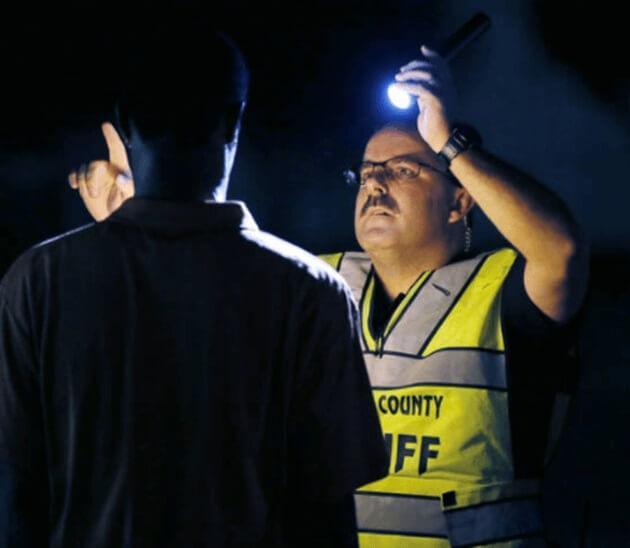
Field sobriety test experts. Officers run the three NHTSA standardized field sobriety tests – horizontal gaze nystagmus, walk-and-turn, and one-leg stand – according to a detailed manual. NHTSA-trained instructors who serve as defense experts can review dashcam or bodycam footage. They can speak to whether the officer strayed from the standardized protocol. Even small slips can matter. Bad instructions, a sloped surface, or poor lighting can shake the officer's opinion that the driver was impaired.
Accident reconstructionists. When a DUI charge comes from a crash, a crash expert can study damage, road facts, sight lines, and driver conduct. They can determine whether alcohol was actually a factor in the crash. They can show whether road design, mechanical failure, or another driver's actions caused the accident. A crash case can also bring companion charges alongside the DUI, as our page on Georgia hit and run laws explains.
Traffic enforcement procedure experts. Former police officers or traffic safety experts can speak to whether the first traffic stop was valid. They can speak to whether the officer followed proper procedures during the DUI investigation. They can show whether the officer's notes support the conclusions in the arrest report.
These experts round out a defense team by addressing evidence outside the scope of chemical testing. In cases where the State leans hard on the officer's own opinion, a qualified field sobriety or traffic expert may be essential.
Say you face a Georgia DUI charge. If the State leans on a breath test, a blood draw, or roadside tests, an expert witness may be key to your defense. The right expert can attack the State's forensic evidence. This helps create reasonable doubt. A pending charge also puts your driving privileges at risk on a separate administrative track, so review the deadlines that apply to a DUI license suspension in Georgia.
William C. Head, PC has defended DUI charges throughout Georgia. We understand which expert witnesses are needed for different types of evidence challenges. During a free consultation, we can review the facts of your case. We can discuss which experts may be required. We can provide a realistic estimate of costs. Call 404-567-5515 to schedule your free case evaluation. Every case is different. The sooner a lawyer reviews your evidence, the more options may be available for your defense.

An alcohol expert witness explains the science behind blood alcohol levels. They may explain how food, acid reflux, diabetes, and the timing of the drinks change a test result. A number taken at the station may not show how the driver was at the wheel. Their goal is to create doubt about what the test truly proved.
Breath-test experts often charge between one hundred fifty and four hundred dollars per hour for case review and document analysis. Trial testimony often costs two thousand to five thousand dollars per day. The exact amount depends on the expert's record and whether travel is required. Defendants should ask their DUI defense lawyer for a cost estimate during the first consultation.
Yes. A qualified forensic expert can challenge Intoxilyzer 9000 results by reviewing calibration records, service logs, and the breath samples from your test. They may also speak to partition ratio guesses, breath temperature swings, and mouth alcohol tainting that could produce skewed readings.
Multiple experts may be needed when a case involves more than one type of disputed evidence. A DUI from a car accident involving a blood draw and field sobriety tests could require a forensic toxicologist for blood results. A separate NHTSA-trained expert can challenge the field sobriety tests.
Under Georgia law, an expert witness must have special knowledge, training, education, or experience beyond what a layperson has. In DUI cases, that group takes in lab experts, drug experts, former state crime lab chemists, breath-machine experts, and NHTSA-trained roadside test coaches.