William C. Head, P.C.
Atlanta DUI Law Firm



By: William C. Head – Atlanta DUI Lawyer
Fighting a DUI blood test takes different defense skills than fighting a breath test. Blood draws in Georgia drunk driving cases may test for alcohol, drugs, or both. Each kind of sample raises its own legal, procedural, and forensic problems. Errors can show up at every stage. They start when an officer asks for a chemical test. They can run all the way to the final lab report. A trained DUI attorney knows where to look. The warrant, the blood draw, the chain of custody, and the lab work itself can all be flawed. This guide explains the legal and scientific challenges that may apply to your Georgia blood test case.
A blood test in a DUI prosecution demands a whole new set of skills from your DUI lawyer. Blood drug tests and alcohol tests raise different legal and forensic issues. This is true whether you face charges for a blood drug test for substances other than alcohol (such as marijuana) or for an alcohol blood test. The issues involve collecting, labeling, inverting, securing, analyzing and measuring blood and urine samples. See our related guide: What Kind of Drug Test Does Probation Use for Alcohol?.
Most lawyers lack this knowledge. Law school does not teach forensic toxicology, anatomy, pharmacokinetics, metabolism, or substance quantitation. A lawyer who wants to practice in this field must seek expensive, private training. This training covers the science behind detecting and measuring impairing substances in the body.
Forensic toxicology is fairly new in world history. Marie Lafarge of France was a pioneer in this field. In 1840, she created an analysis process to show that arsenic was in a person's body at lethal levels.

Many dedicated DUI attorneys have spent time and money learning about breath alcohol testing devices. A wide array of specialized technologies can test for drugs other than alcohol in a blood sample. These include gas chromatography (GC), which measures blood alcohol levels. Gas chromatography – mass spectrometry (GC – MS) and liquid chromatography (LC) offer more detailed analysis.
A lawyer fighting a blood test case needs training that a breathalyzer course does not give. Blood testing for drugs and alcohol calls for science that most attorneys never study. Only a small share of DUI lawyers in America have sought out this training. They learn it from private blood testing labs. They also learn it from doctors and scientists who work with lab methods, lab rules, and sample measurement.

Few criminal defense attorneys are trained to fight a forcible blood draw case. More than 30 possible attacks may be open to you. Which ones apply depends on the facts and on the stage of the case.
When you were arrested, did your DUI lawyer learn how to beat blood lab tests? See our related guide: Court Ordered Alcohol Monitoring Bracelet: What Georgia DUI Defendants Should Know. A crime laboratory must follow many mandatory quality assurance steps. The graphic below shows a flowchart for chemical analysis using GC – MS. Any error, omission, or missing documentation of these vital steps can help your lawyer exclude the blood test result.
Ten to twelve different legal challenges to scientific reliability may be raised at pre – trial motions or at trial. These challenges seek to exclude flawed blood test results. A DUI defense expert witness can explain why the jury cannot trust blood test results that failed to follow the lab's quality assurance program.
There is another upside for the DUI defense lawyer with blood test training. Very few prosecutors have had blood test lab training or hands – on lab work. That gap can matter before trial and at trial. It matters in both drunk driving and drugged driving cases.
Two reasons explain the gap. First, the training takes a lot of time. States are not willing to pay for that much time away from work. Second, few of the defense lawyers facing these prosecutors have the training either. So winnable cases often go to trial without it. Many lawyers stop at one or two implied consent or illegal search challenges. They never reach the science.

When screening prospective criminal defense lawyers, ask key questions about their blood test experience. Ask: "Have you ever won a DUI blood test case at a jury trial?" If the answer is no, look elsewhere.
If the lawyer has won a blood test DUI case, ask next: What was the successful trial strategy? Ask about other blood alcohol or drug blood test cases won at trial. Did the lawyer use different trial strategies in different cases?
A lawyer who has taken two blood test trials to a verdict has done this work before. Few criminal attorneys have. Next, ask where and when the lawyer trained. Ask about time spent at blood test labs or at multi – day seminars on blood and urine testing.
This training costs a lot and is hard to find. Only a handful of states have hosted these courses, among them Georgia, California, Colorado, Indiana, and Illinois. Some DUI attorneys worked in science before they went to law school. They learned blood test science first and law second. That background can help your defense.

If you refuse a breathalyzer test, a police officer in most states including Georgia has the legal right to seek a judge's search warrant. The officer may then draw blood to test for DUI.
A caution is warranted here: An increasingly common trend exists toward forcible blood test collection. This applies to any DUI suspect who also may have contraband substances. These substances include marijuana, cocaine, methamphetamine, spice, or prescribed drugs such as strong opioid painkillers or anxiety medications like Xanax. These drugs can increase the impairing effects of alcohol exponentially. Blood testing labs, including the Georgia Bureau of Investigation, routinely run both GC and GC – MS tests. These tests look for all possible impairing substances, not just alcohol.
Polydrug cases – two or more impairing drugs in one sample – are hard to win at trial. Judges and juries tend to convict when they hear that kind of proof.
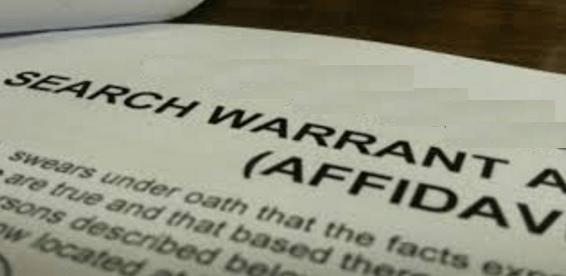
To obtain a blood draw warrant, the officer must apply to a judge who is authorized to issue search warrants. The officer must provide a written affidavit, sworn under oath. The affidavit must state facts sufficient to support issuing a blood draw search warrant. This warrant authorizes the use of force.
A refusal to submit to a blood or breath test triggers serious consequences under Georgia's implied consent law. Under Georgia law, any person who drives on Georgia roads is deemed to have consented to chemical testing of blood, breath, urine, or other bodily substances when arrested for DUI. When an officer requests a state – administered test, the officer must first read the implied consent notice.
If you refuse the test, the first civil hit is a one – year suspension of your Georgia driver's license or driving privilege. That suspension is separate from any criminal DUI penalty. The Georgia Department of Driver Services runs the process. You have only 30 calendar days to ask for a hearing. The clock starts the day the officer serves the suspension notice. A $150 filing fee must come with that written request. Miss the deadline and you may waive the hearing. You may ask for a limited driving permit with an ignition interlock device instead, but that request also waives the hearing.
An important distinction exists between types of test refusals. Under Elliott v. State (2019), the Georgia Supreme Court held that a defendant's refusal of a breath test cannot be used as evidence of guilt at trial. The court ruled this protection flows from the self – incrimination clause of the Georgia Constitution. However, under Georgia law, a refusal to submit to blood or urine testing may be offered into evidence against the defendant at trial. This difference matters for defense strategy.
Refusing the state's test does not end the case. Officers may still seek a search warrant from a judge to take a blood sample by force. The section above on forced blood draws covers that process.
If you have refused a chemical test after a Georgia DUI arrest, contact a DUI attorney as soon as possible. The 30 – day window to file an implied consent appeal is strict. Failing to act could result in losing your driving privileges for a full year. This may happen regardless of the outcome of your criminal case.
Many drivers want to know: can police take your blood without consent after a DUI arrest? Officers generally need a warrant, but narrow exceptions exist.
The U.S. Supreme Court addressed this question in Missouri v. McNeely (2013). The Court held that the natural dissipation of alcohol in the bloodstream does not automatically create an exigent circumstance. A warrantless, nonconsensual blood draw is not automatically justified. Each case must be evaluated on its own facts. Three years later, in Birchfield v. North Dakota (2016), the Court ruled that warrantless blood draws cannot be justified as a search incident to arrest. The Court also held that states may not impose criminal penalties for refusing a blood test.
A narrower exception emerged in Mitchell v. Wisconsin (2019). The Court's lead opinion concluded that when a DUI suspect is unconscious and cannot take a breath test, exigent circumstances may generally justify a warrantless blood draw. Under Georgia law, a person who is unconscious or otherwise incapable of refusal is deemed not to have withdrawn implied consent.
In practice, Georgia officers now typically obtain a search warrant from a judge, in person or by video conference, before ordering a forcible blood draw. Under Georgia law, the warrant must be based on a sworn written complaint. The complaint must state facts sufficient to show probable cause. The complaint must particularly describe the person to be searched.
Several factors may make a blood – draw warrant vulnerable to challenge. These include an affidavit lacking sufficient probable cause, stale information in the application, failure to use a neutral magistrate, or improper execution of the warrant. Under Georgia law, only a physician, registered nurse, laboratory technician, emergency medical technician, or other qualified person may draw blood. Violations of these requirements could form the basis for a motion to suppress.
DUI law on forcible blood collection changed significantly with three United States Supreme Court decisions: Missouri v. McNeely (2013), Birchfield v. North Dakota (2016), and Mitchell v. Wisconsin (2019). These landmark cases address different aspects of blood test collection after a DUI arrest from a constitutional law perspective. All state implied consent laws and police procedures for DUI blood test cases have been revised or replaced, depending on the particular state's laws.
McNeely established that alcohol dissipation over time does not automatically supply a police officer with justification to get blood without a search warrant. Until this decision, many states allowed forcible blood testing without officers seeking a judicial warrant. Birchfield addressed whether a state may criminalize an implied consent refusal and impose prison time for refusing to submit to testing. The Court decided that laws imposing criminal penalties for failing to take a blood test violate the Fourth Amendment. However, states that criminalize a refusal to take a breath test may do so, since breath testing is less invasive than a blood draw. Mitchell added a narrow exception: when a suspect is unconscious and cannot be given a breath test, exigent circumstances may generally permit a warrantless blood draw.
Beyond these constitutional rulings, a trained DUI attorney may raise dozens of potential challenges depending on the facts of a given case. The following categories outline many of the attacks available.
Constitutional challenges. A defense lawyer may argue that the officer's affidavit lacked probable cause. The warrant may have failed to describe the search. A neutral judge may not have been involved. After Elliott v. State (2019), a Georgia self – incrimination challenge may apply. That is where a breath – test refusal was used against the defendant at trial. The defense may also ask whether the judge had power over the place to be searched. A warrant signed without that power may support a motion to suppress.
Chain – of – custody challenges. The defense may question whether the blood vial was properly sealed. The defense may question whether the vial was labeled with correct patient information. The defense may question whether it was stored at the correct temperature. The defense may question whether it was transported to the lab without gaps in documentation. Any break in the chain of custody can undermine the reliability of the results.
Collection challenges. Under Georgia law, only a physician, registered nurse, laboratory technician, emergency medical technician, or other qualified person may draw blood. If the person who performed the draw lacked proper credentials, the results may be challenged. Other collection issues include use of an alcohol – based skin prep, which could contaminate the sample. Use of improper vacutainer tubes also raises challenges. Missing preservative or anticoagulant in the collection vial is another potential problem.
Laboratory and forensic challenges. Gas chromatography instruments require regular calibration. A defense attorney may request calibration records, column maintenance logs, internal standard documentation, and instrument maintenance histories from the crime lab. Analyst qualifications may also be challenged. The analyst must hold a valid permit from the Division of Forensic Sciences of the Georgia Bureau of Investigation as required by Georgia law.
Statutory implied consent challenges. Under Georgia law, the arresting officer must read the implied consent notice to the suspect. If the notice was not read, its substance was changed, or it was read at the wrong time, the defense may move to suppress the test results. The defense may also challenge the administrative license suspension.
Always try to get the video of a warrant application heard by video conference. That recording must be kept as part of the record. It can show whether the officer gave a proper factual basis. It can also show whether a proper oath was given. The more flaws a DUI attorney finds, the better the chance of keeping bad blood test evidence out.
William C. Head, Larry Kohn, and Cory Yager have all taken forensic training in blood and urine testing. This training was in a course sponsored by Mr. Head in 2008. Mr. Yager took two courses with different instructors. Mr. Head first obtained blood test and urine test training in Lake Tahoe, California, from Dr. Richard Jensen and two other blood lab experts at a three – day seminar. In 2000, he visited the Tennessee State Crime Lab run by Dr. David Stafford in Memphis, Tennessee. Mr. Head observed and videotaped various forensic laboratory testing procedures for both presumptive tests and confirmatory tests. Mr. Head attended a lab blood test course in Indianapolis in 2006. He sponsored four – day programs in Atlanta in 2008 and San Diego in 2009. Mr. Head has tried over two dozen DUI blood test cases, for both DUI felony prosecutions and misdemeanor DUI cases.
Other valuable insights on this website:
How Do I Get My DUI Blood Test Results

If you are facing a Georgia DUI charge involving a blood test, time is critical. If you refused a chemical test after your arrest, time is also critical. You have only 30 days from the date you are served with the suspension notice to file an implied consent appeal with the Georgia Department of Driver Services. Missing this deadline could mean losing your driving privileges for a full year. This could happen even if you are never convicted of DUI.
A blood test case calls for an attorney trained in forensic toxicology, lab analysis, and the constitutional rules on forced blood draws. Not every criminal defense lawyer has that background. William C. Head, PC offers a free, private consultation to review your case and explain your options. Every case is different, and results depend on the facts. Call our Atlanta office at 404-567-5515 to set up that review.

A refusal to submit to a blood or breath test in Georgia brings a one – year license suspension. The Georgia Department of Driver Services runs it. That suspension is separate from any criminal DUI penalty. Under Georgia law, you have 30 days from the date of the suspension notice to ask for a hearing. A $150 filing fee is due with that written request. A refusal of blood or urine testing may also be used against you at trial. A breath – test refusal may not be, under Elliott v. State (2019). Talk to a Georgia DUI attorney right away to protect your rights.
As a rule, Georgia officers must get a search warrant before drawing blood without your consent. The U.S. Supreme Court ruled in Missouri v. McNeely (2013) that alcohol burning off alone does not justify a blood draw without a warrant. A narrow exception under Mitchell v. Wisconsin (2019) may apply when a suspect is unconscious. Under Georgia law, an unconscious person is deemed not to have withdrawn implied consent. In most cases, officers now seek a warrant from a judge, in person or by video conference, before a forced blood draw.
Under Elliott v. State (2019), the Georgia Supreme Court held that a refusal to take a breath test cannot be used as proof of guilt at trial. The ruling rests on the self – incrimination shield in the Georgia Constitution. The law treats blood and urine refusals differently. Under Georgia law, a refusal to submit to blood or urine testing may be offered against you. A DUI attorney can explain how that split could affect your case.
You have 30 calendar days to ask for a hearing with the Georgia Department of Driver Services. The clock starts the day you are served with the notice of suspension. A $150 filing fee is due with the written request. Under Georgia law, you waive the hearing if you miss that window through your own avoidable fault. A one – year license suspension then takes effect on its own. Call a Georgia DUI lawyer soon after your arrest so the appeal is filed on time.